Ram Jhula
 Create A Trip
About
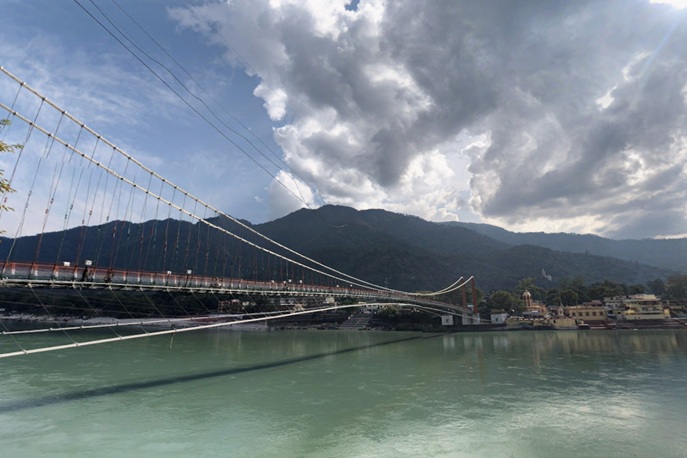
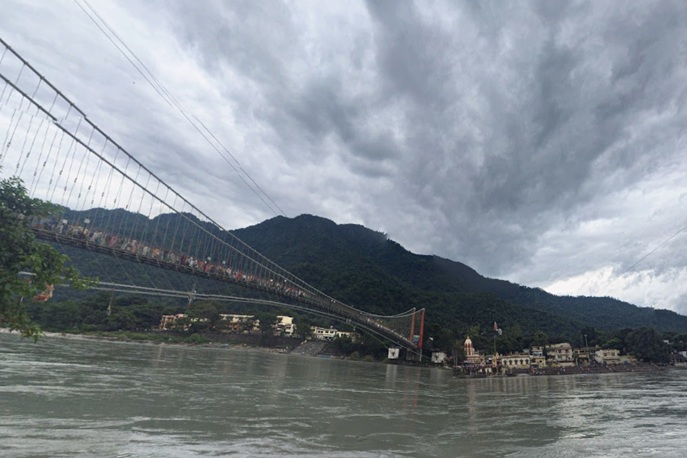
Ram Jhula is considerably the most prominent landmark in Rishikesh. It is one of the suspension bridges in Rishikesh that connects Swargashram with Shivananda Ashram of the city and is used by both tourists and locals. Walking over the sacred Ganga River is truly a unique and memorable experience. Before the inauguration of Janki Setu, Ram Jhula and Laxman Jhula were the primary suspension bridges used to cross the river. Ram Jhula is approximately 140 metres long and is open to both pedestrians and two-wheelers. However, during peak season, the bridge often remains closed to two-wheelers for safety reasons.
More than just a bridge
Ram Jhula Pul in Rishikesh is located about 3 km from the Rishikesh Bus Stand. Known as World Yoga City, Rishikesh attracts lakhs of tourists every year. While crossing the bridge, many devotees and people can be seen walking barefoot, holding their slippers in their hands. This is because, as they consider the river Ganga, which they worship as their mother and believe it is disrespectful to cross it while wearing shoes or slippers.
Two districts, One Bridge
Apart from being a spiritual city, Rishikesh is also known for its prominent sites and adventurous activities. Among them, Ram Jhula is one such place that is visited by many. Named after Lord Rama, the bridge was constructed in 1980 and connects Tehri with the Pauri district. Walking over the bridge gives a panoramic view of the River Ganga and the surrounding city, particularly in the evening when the atmosphere becomes cool and calm.
For many, Ram Jhula is more than just a bridge, which not only allows you to cross the bridge but also marks the beginning of the spiritual exploration. It also serves as the path to popular religious sites such as Shri Ram Mandir and Neelkanth Mahadev Mandir. If you are on a journey to explore the historical and spiritual places of Rishikesh, ensure visiting this swaying bridge.
Entry Fees and Timings
Rishikesh Ram Jhula remains open to visitors round the clock, except for a few days during the holy month of Savan. Entry to this iconic place is free, and visitors are not charged a single rupee. The bridge is primarily meant for pedestrians, but it is also open for two-wheelers during the non-peak hours.
Beyond Ram Jhula
After visiting Ram Jhula, visitors have the opportunity to explore the local markets, which are located on both sides of the bridge. These markets are generally flooded with unique items such as gemstones, beads, souvenir and others. Apart from this, travellers can also shop for traditional khadi clothes, especially kurtas and pyjamas.
Boat Ride
Walking over Ram Jhula surely gives you goosebumps, but viewing it from the river is something special. Near Ram Jhula, visitors can enjoy a boat ride that costs across the Ganga that usually costs around Rs 50 one way. The ride offers a scenic view of the Ram Jhula and the holy Ganga River.
Ram Jhula Parking
Visitors travelling in their own vehicles can use the parking facility near the Ram Jhula Taxi Stand. Parking charges are generally on the higher side and may vary between weekdays and weekends. The charges apply for limited hours, and additional charges are levied if the time limit is exceeded.
Accommodation
Staying overnight near Ram Jhula can be one of the most scenic experiences in Rishikesh. However, these experiences might come with a few challenges, as the parking facilities in most hotels in this area are limited. If you are planning to stay near Ram Jhula, here are some recommended accommodation options which you can consider: -
- Sanidhya Inn
- Glass reflections by Ganges.
- Sanskriti Vedic Retreat
- The Neeraj Ganga Heritage Palace
- Ganga Niwas Swarg Ashram
- Akash Ganga
Food Guide
Several restaurants and street food carts are located near Ram Jhula, offering a range of cuisines. While exploring the area, do not miss a chance to visit the famous Chontiwala restaurant, a popular dining spot.
Important Tips for Visitors
- During weekends and public holidays, the area experiences a huge crowd.
- Avoid visiting by car as parking space is limited in the area.
- Parking facilities are available near the taxi stand, from there Ram Jhula can be accessed on foot.
- Beware of pickpockets and keep your belongings safe.
- Avoid leaning on the bridge ropes.
- Walk calmly and avoid obstructing others' way.
- Keep your bag and baggage safe, as the site is surrounded by monkeys.
- Before booking a hotel, ensure parking availability and accessibility.
- If planning to stay in an ashram, carry a lock and key, as these are usually not provided.
- Public toilet facilities are available near Ram Jhula and at the Ram Jhula Parking stand.
Major Nearby Attractions
Visitors can also explore some other popular places located near Ram Jhula, such as:
- Janki Setu
- Parmarth Niketan Ashram
- Bajrang Setu
- Swargashram
- Gita Bhawan
- Beatles Ashram
- Veerbhadra Mandir
- Neer Jharna
- Patna Waterfall
How to Reach
Ram Jhula is one of the iconic and historical landmarks in Rishikesh. To reach Ram Jhula, you must first reach Rishikesh, which is well connected with Delhi, Dehradun, Haridwar and many nearby cities. From Delhi, Rishikesh is about 234 km away and can be reached by bus, taxi, or train. The city does not offer airport services; the nearest airport (Jolly Grant Airport) is located just 16 km away. UTC and other state-operated buses run regularly from Delhi, which is the most convenient mode of travel.
By Road: Ram Jhula Pul is just 2.6 km away from the Rishikesh Bus Stand. Autos, E-rickshaw and Vikrams are easily available near the bus stand to reach the bridge.
By Rail: The nearest railway junction is Yog Nagri Rishikesh Railway Station, located around 4.5 km away. It is connected to Delhi with limited train services. From the station, shared autos and e-rickshaws are readily available to reach the location.
By Air: The closest airport is Dehradun's Jolly Grant Airport, situated around 19 km from the bridge. The airport is connected with direct flights to major cities across India. From the airport, you can hire a taxi or take the bus services from the main highway to reach Rishikesh.
Best Time to Visit
Rishikesh is one such place that can be visited throughout the year. Though the monsoon season is not considered ideal, the view it offers during these times is just amazing. If you are planning to visit Rishikesh to explore its popular sites, including Ram Jhula, the best time to visit is from August to May.
Height from Sea Level
Ram Jhula is located at an elevation of 340 metres (1,220 feet) above sea level.