Lakshman Jhula
 Create A Trip
About
Rishikesh, a city renowned for its yogic and spiritual activities, is visited by thousands of people throughout the year. During their visit, travellers explore several popular attractions in and around the city. Of these places, the Lakshman Jhula is among the prominent landmarks that truly needs no introduction.
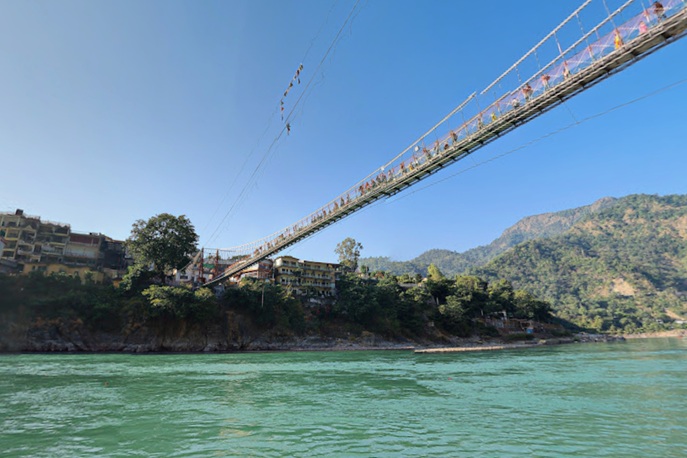
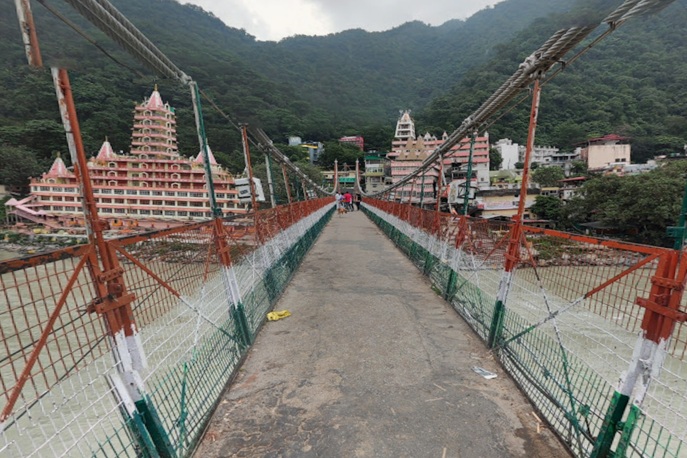
Built in 1939, the Lakshman Jhula is a 137-metre-long suspension bridge that connects Tehri Garhwal with Pauri Garhwal. Both tourists and locals use this bridge traditionally to cross the sacred River Ganges.
Lakshman Jhula, Rishikesh
Situated gracefully above the lap of Ganga, Lakshman Jhula is located approximately 3 km from Ram Jhula, another iconic landmark of the city. The bridge is easily accessible via local transportation, which is readily available across the city. While walking across the bridge, it offered a mesmerising view of the Ganga and the surrounding landscape.
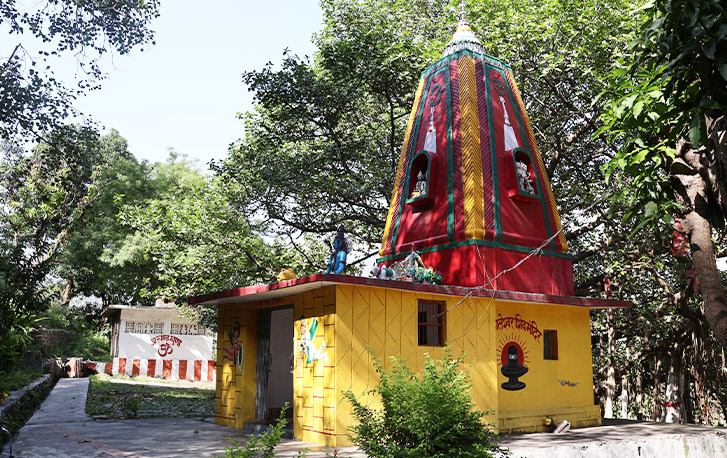
Lakshman Jhula is also surrounded by several prominent attractions, including Sri Satya Sai Ghat, Trayambkeshwar Temple (popularly known as Terah Manjil Mandir), and Shri Saccha Dham Ashram.
Lakshman Jhula to Be Replaced
For many decades, the Lakshman Jhula served the city well. However, in 2020, the bridge faced serious structural issues that raised significant safety concerns. Seeking this, the local administration closed the bridge to the public. Since then, this iconic landmark of Rishikesh has remained inaccessible. However, considering the historical importance of Lakshman Jhula, the local government started construction of a new suspension bridge adjacent to it, named Bajrang Setu.
History of Lakshman Jhula
According to legend, it is the same place where Lakshman, the younger brother of Lord Rama, crossed the River Ganga using a jute rope. To honour Lakshman, locals constructed a 284-foot-long hanging rope bridge at the site. Unfortunately, the rope bridge was washed away during the 1924 floods. Seeking the importance and significance of the site, the government later constructed a modern bridge, which came to be known as Lakshman Jhula.
Accommodation
Several accommodation options are available near Laxman Jhula, where you can enjoy a perfect night's stay with a beautiful view of the Ganges.
Food Guide
Numerous food outlets are available near the Lakshman Jhula, where visitors can savour a range of cuisines. Apart from these outlets, visitors must not forget to explore theme-based cafes, known for their unique ambience, meals, and international dishes.
Important Tips for Visitors
- Avoid visiting by car, as the road leading to the bridge is narrow.
- Parking near the site is limited and often causes unavailability issues.
- During peak hours and the season, the site tends to feel extremely overcrowded.
- Walking over the bridge is prohibited for safety reasons.
Major Nearby Attractions
Tourists can also explore other major places located near Laxman Jhula, such as:
How to Reach
By Road: Laxman Jhula is around 5 km from Rishikesh Bus Stand and can be reached using local transportation. Several autos, e-rickshaws and vikrams are easily available from the bus stand and other major places. The site can also be reached by using two-wheelers and four-wheelers.
By Rail: The nearest railway station is Yog Nagri Rishikesh Railway Station, situated approximately 8 km away. Local transportation facilities are readily available from the station to reach the destination.
By Air: The closest airport is Jolly Grant Dehradun, approximately 23 km away. From there, visitors can book a taxi to reach the location.
Best Time to Visit
Lakshman Jhula can be visited throughout the year. However, the best time to visit is considered from August to May, when the weather is pleasant.
Height from Sea Level
Lakshman Jhula is situated at an elevation of 340 metres (1,220 feet) above sea level.